
6 Best Legal to use AI Tools for – Try NOW!

The AI boom is here. From writing essays to managing businesses, artificial intelligence has become everyone’s favorite sidekick.
But here’s the catch: not every shiny new tool out there plays by the rules. Some gather data without consent, some rely on questionable training methods, and others might even breach privacy laws without you realizing it.
If you want to use AI without tripping over compliance landmines, you’re in the right place. These six tools are safe, trusted, and legally compliant, whether you’re running a business, creating content, or just curious about AI.
What Makes an AI Tool “Legal to Use”?
Before diving into the list, let’s get one thing straight: “legal” doesn’t mean “boring.” It means these tools respect your rights, protect your data, and give you clarity about how they operate.

Data privacy
A legal AI tool follows global data protection standards like GDPR (Europe) and CCPA (California). It doesn’t snoop on your private data or sell it to third parties.
Transparency
It clearly explains what data it collects, how it uses it, and whether it trains on your inputs. Legal tools don’t hide behind vague privacy policies or fine print.
Accountability
Behind every compliant AI tool is a legitimate, registered company that takes responsibility for how it operates. If something goes wrong, you know who’s accountable.
Ethical use
Legal AI tools avoid harmful, misleading, or copyright-infringing behavior. They support ethical use cases and actively prevent misuse.
In short, a legal AI tool gives you peace of mind while keeping regulators off your back.
The 6 Best Legal AI Tools
1. Grammarly – Best Legal to use AI tool
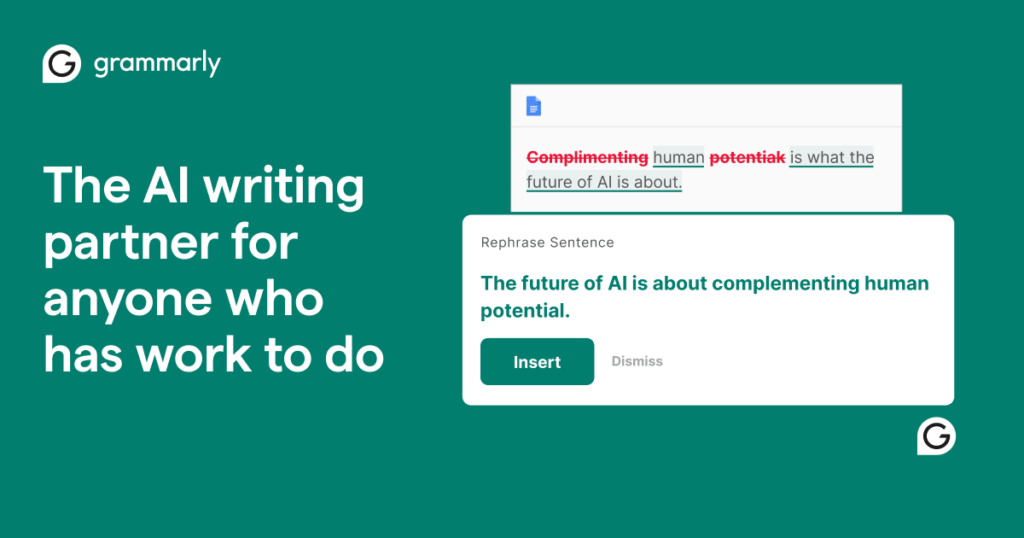
Type: Writing assistant
Use Case: Grammar, tone, writing clarity
Why It’s Legal: Grammarly is one of the oldest and most trusted AI-driven writing tools. It is fully GDPR-compliant and transparent about data storage. User content is encrypted and not used to train models without explicit consent.
Altie Says: Grammarly is the grammar cop we all secretly depend on. It keeps your writing sharp, your tone polished, and your compliance tight. It’s the first AI tool you can safely use at work, school, or even in court filings.
Also Read >> Top 4 AI Tools for Game Development
2. Notion AI – 2nd Best Legal to use AI tool

Type: Productivity and note automation
Use Case: Brainstorming, summarizing, and organizing thoughts
Why It’s Legal: Notion operates on a secure, SOC 2-certified cloud infrastructure. Your workspace data isn’t shared or resold, and you maintain control over your content. Notion’s AI assistant enhances organization and creativity while staying firmly within data-protection standards.
Altie Says: Think of Notion AI as your second brain, but one that actually remembers deadlines and respects privacy laws.
3. Zapier AI – 3rd Best Legal to use AI tool
Type: Workflow automation
Use Case: Automating tasks across apps
Why It’s Legal: Zapier integrates applications through secure APIs and encrypted connections. It doesn’t access or store unnecessary data. The company provides clear privacy documentation and is trusted by businesses for secure automation.
Altie Says: Zapier is proof that you don’t need a coding degree to make your digital life smoother. It’s automation done right — efficient, compliant, and fully under your control.
Also Read >> Top 5 AI Video Generators: The future of Marketing
4. Google Gemini (Workspace AI) – Recommended Legal to use AI tool
Type: Productivity AI suite
Use Case: Drafting, summarizing, and analyzing documents and emails
Why It’s Legal: Built within Google Workspace, Gemini adheres to enterprise-grade security and compliance certifications such as GDPR and ISO 27001. It inherits the same data protection and transparency standards that millions of organizations rely on daily.
Altie Says: Gemini turns your Google Docs into a thinking partner. You focus on ideas, it handles the writing, and Google ensures your data stays locked down.
5. DoNotPay – Recommended Legal to use AI tool

Type: Consumer rights AI
Use Case: Automating refunds, cancellations, and claims
Why It’s Legal: DoNotPay works within consumer-protection laws and automates legitimate processes rather than offering legal representation. It uses structured templates to simplify bureaucratic tasks while maintaining user data privacy.
Altie Says: DoNotPay is the digital defender of the everyday person. It makes bureaucracy bearable and ensures consumers get the refunds and results they deserve — legally.
Also Read >> Best AI Documentaries To Watch
6. Ironclad AI – Recommended Legal to use AI tool

Type: Contract lifecycle management
Use Case: Drafting, reviewing, and compliance monitoring
Why It’s Legal: Ironclad operates under rigorous security and compliance frameworks, including SOC 2 Type II, GDPR, and CCPA. It’s trusted by major enterprises to manage contracts securely and transparently.
Altie Says: Ironclad doesn’t do hype. It’s built for businesses that care about compliance, accountability, and precision in every clause.
Comparison Table
| Tool | Best For | Compliance | Pricing | Ease of Use |
| Grammarly | Writing & communication | GDPR | Freemium | ★★★★ |
| Notion AI | Notes & projects | SOC 2 | Paid add-on | ★★★★ |
| Zapier AI | Automation | Data-safe APIs | Paid | ★★★★ |
| Google Gemini | Docs & email | GDPR/ISO 27001 | Enterprise / Free tier | ★★★★★ |
| DoNotPay | Consumer rights | Legal workflows | Subscription | ★★★ |
| Ironclad AI | Contract work | GDPR / CCPA | Enterprise | ★★★ |
Tips for Using AI Legally and Responsibly
- Never share sensitive or personal data unless the AI tool explicitly guarantees encryption and confidentiality.
- Always review the Terms of Service. It’s not thrilling reading, but it’s where you find what the AI can and can’t do with your data.
- Disclose when you’ve used AI-generated content in professional settings, especially for legal or academic work.
- Treat AI as your co-pilot. Let it assist your work, but always review and verify what it produces.
Conclusion
AI isn’t the lawless frontier it used to be. The tools that survive today are the ones that respect user privacy, data security, and ethical principles. By choosing responsibly built AI tools, you get the benefits of automation without the legal headaches.
If your AI ever starts making promises of instant profits or asks for personal data that feels intrusive, that’s not innovation — that’s a warning sign. Use tools that empower, not exploit. The future of AI should be smart, transparent, and lawful.
Stay informed, stay secure, and remember — compliance isn’t boring when it’s built to protect you.